Will Solar Panels Damage My Roof?
Properly flashed and sealed solar mounts keep a roof watertight. Roof leaks come from bad workmanship, not from solar itself. Here is what actually protects your roof.
Last verified:
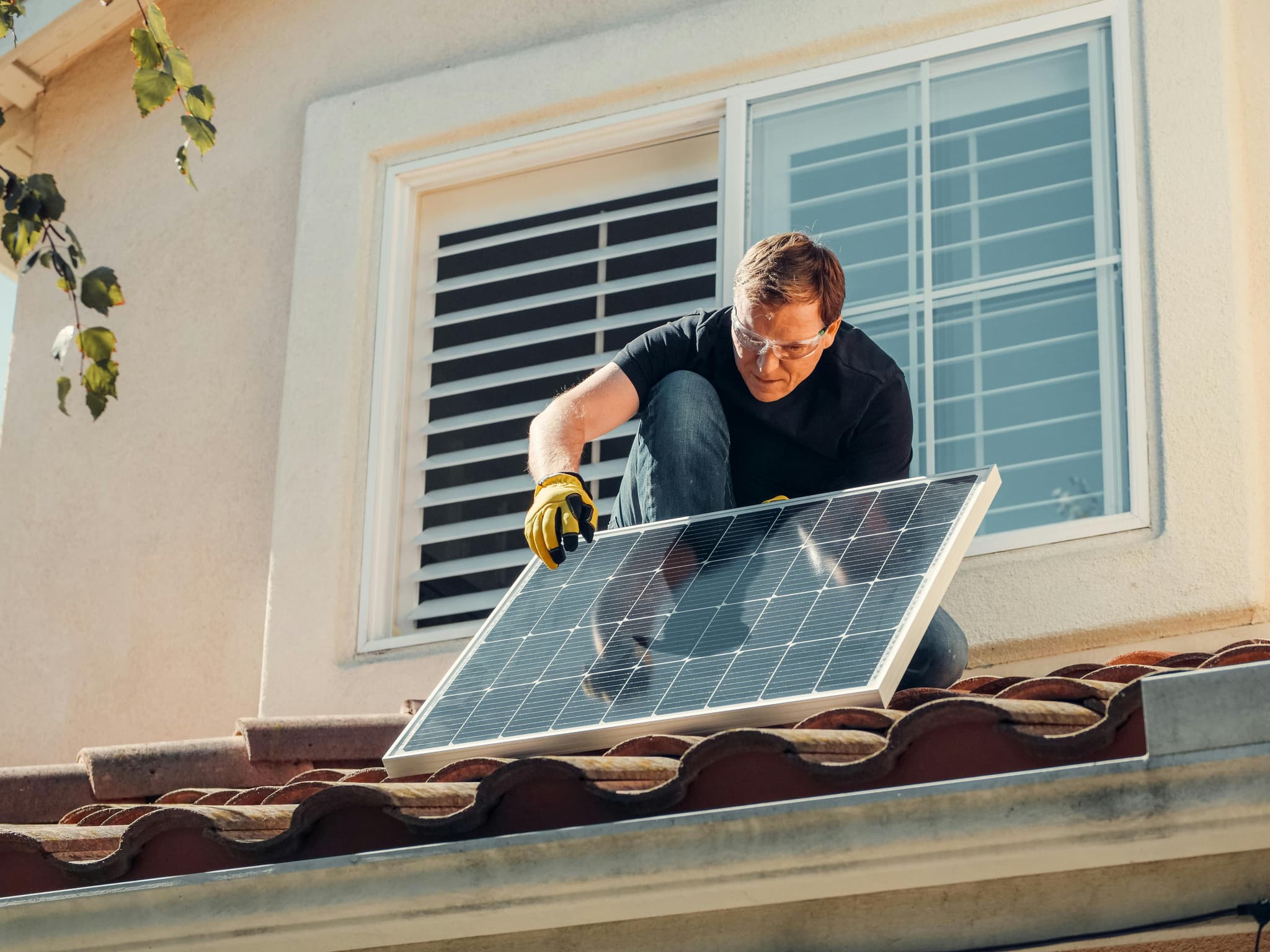
Short answer: No, not when the job is done right. Solar mounts do penetrate the roof, but a reputable installer flashes and seals every attachment so the roof stays watertight. Leaks come from poor workmanship, not from solar itself. The panels can even shield the covered area from sun and rain. What protects you is a quality installer and a written workmanship warranty, not luck.
This is the single most common worry we hear, and it is a fair one. Your roof is the most important part of your house in a Florida storm. Putting holes in it sounds like asking for trouble. The honest answer is that the holes are not the problem. How they are sealed is.
Why the fear is understandable but usually misplaced
Most rooftop solar attaches with lag bolts or mounts that go through the roof and into the rafters or decking below. Yes, that means penetrations. But roofers have been sealing penetrations for as long as roofs have had vents, pipes, and chimneys. A solar mount is just one more thing to flash correctly. Done right, the sealed area under a mount is often more protected than the bare roof around it.
How a watertight mount actually works
A proper attachment does not rely on a squirt of caulk. The installer sets the bolt into a rafter, then covers the penetration with flashing, a metal or composite plate that tucks under the shingle or tile above it and directs water down and over the mount rather than into the hole. The sealant is a backup layer, not the main defense. On tile roofs, crews use tile hooks or replacement flashing tiles so nothing cracks and water still sheds the way the roof was designed to.
Roof penetrations, when properly flashed, are warrantied by reputable installers. The flashing does the work; the sealant is a backstop. A leak almost always traces back to a step that was skipped, not to the existence of the mount.
Where leaks really come from
When solar does cause a leak, the cause is almost always workmanship: a bolt that missed the rafter, flashing installed backwards, sealant used instead of flashing, or a crew rushing to finish. That is a contractor problem, not a solar problem. It is also why the installer matters more than the panel brand. The best equipment on earth will still leak if someone mounts it wrong.
A realistic example
Picture two identical homes. On the first, the crew locates each rafter, sets the bolt, and flashes every point under the tile above it. Ten years later the roof is dry. On the second, a rushed crew toe-nails a few mounts into decking and relies on sealant that dries out in the Florida sun. Within a couple of seasons, water finds the weak point. Same panels, same roof, completely different outcome, because the difference was never the solar. It was the hands that installed it.
What protects you, honestly
- A written workmanship warranty covering roof penetrations, separate from the panel manufacturer's warranty.
- An installer who inspects your roof's age and condition before quoting, and tells you if it needs work first.
- Proper flashing at every mount, not sealant alone, sized to your roof type (shingle, tile, or metal).
- Clear documentation of who to call if a leak ever appears, and for how long that coverage lasts.
Questions worth asking
- How do you flash and seal each mount on my specific roof type?
- What does your workmanship warranty cover for roof penetrations, and for how many years?
- Will you inspect my roof's age and condition before installation, and put your findings in writing?
- If a leak appears, who is responsible and how fast do you respond?
• When this might not make sense
We'd rather lose a sale than put you in the wrong solution. Reasons we might tell you to wait or pass:
- —Your roof is already near the end of its life. Better to re-roof first than to mount panels on a roof you will have to tear off soon.
- —You cannot get a written workmanship warranty on the penetrations from the installer. Walk away.
- —The roof has existing leaks or structural issues that should be fixed before anything is added on top.
Sources
- Homeowner's guide to going solar — U.S. Department of EnergySecondary
- Solar photovoltaic research and installation resources — National Renewable Energy LaboratorySecondary
- Florida Building Code resources — Florida Building CommissionPrimary
Get a straight read on your roof before you add solar
We will look at your roof's age, type, and condition first, then tell you whether solar makes sense now or whether a re-roof should come first. No pressure, just honest sizing.