Does Solar Really Save Money in Florida?
Sometimes yes, sometimes no. Here's what actually determines whether solar saves you money in Florida — and how to check it for your specific home.
Last verified:
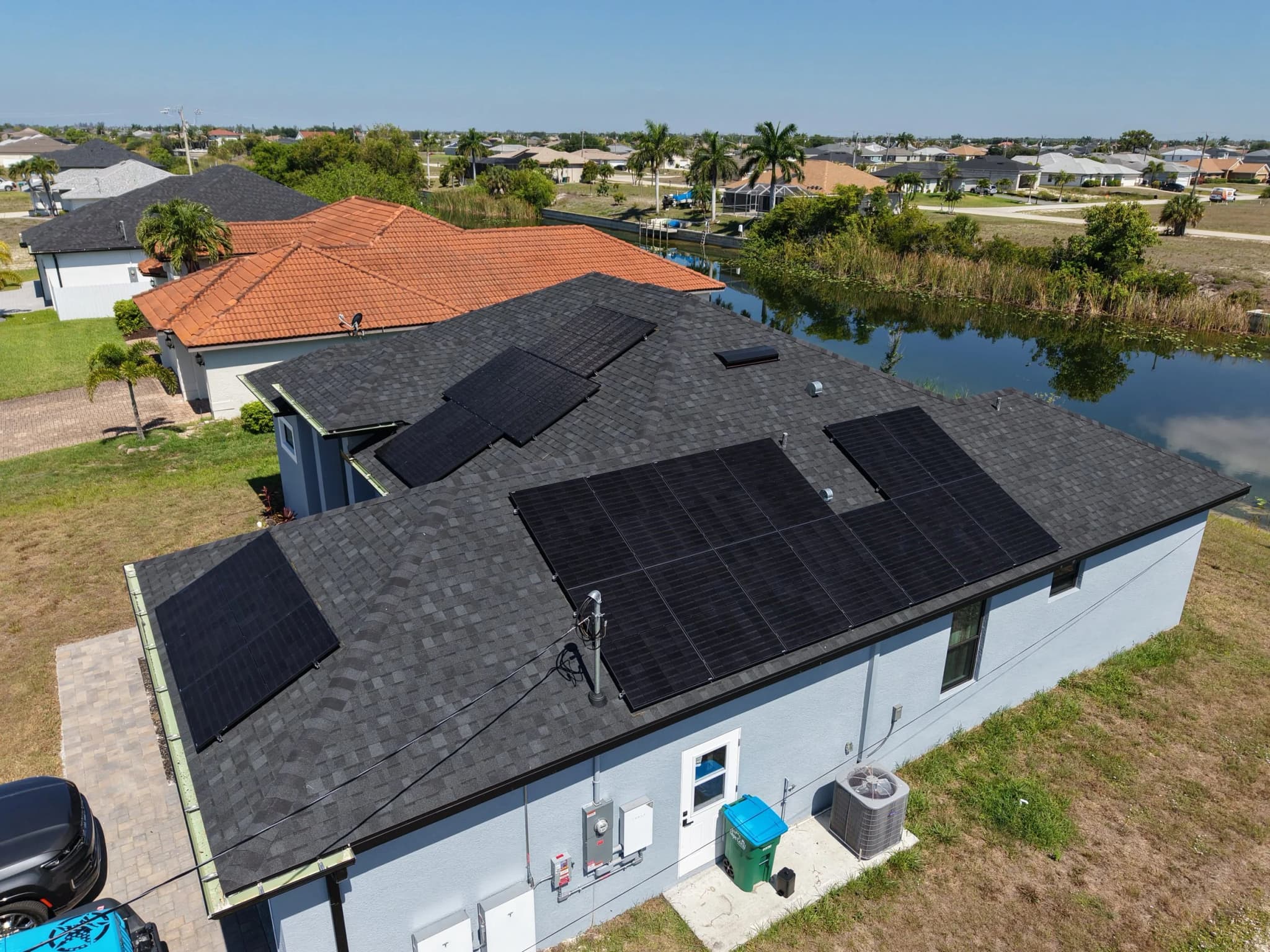
Short answer: For some Florida homes, yes; for others, no. It depends on your usage, your utility's net-metering rules, your roof, the system's cost and structure, and what future utility rates do — which nobody can guarantee. That's why we compare a range of scenarios rather than promise a single number.
What actually drives the answer
- Your usage: higher, steadier usage generally improves the case.
- Your utility: FPL's full-retail net metering treats exported solar differently than LCEC's cooperative rules.
- Your roof: orientation, shade, and remaining roof life all matter.
- The deal: owned vs. lease, system cost, and any escalator.
- Future rates: if utility rates keep rising, locking in more of your cost looks better — but that's a scenario, not a promise.
Why we won't promise a number
Any honest comparison has to admit what it can't know: future utility escalation. Instead of a single guaranteed figure, we model low, middle, and high escalation scenarios and let you change the assumptions. If solar doesn't clearly beat your current bill across reasonable scenarios, we'll tell you.
A useful gut check: if a proposal only 'works' under the most aggressive utility-rate assumption, be skeptical.
Questions worth asking
- What utility-escalation assumption is baked into these savings?
- How does this look under a conservative rate scenario?
- What happens to the numbers if I move in 7 years?
• When this might not make sense
We'd rather lose a sale than put you in the wrong solution. Reasons we might tell you to wait or pass:
- —Low usage where payback stretches too far
- —A roof needing replacement first, or heavy shade
- —Moving soon
- —A deal whose savings depend on an unrealistic rate assumption
Sources
- FPL Rates and Your Bill — FPL (2026)Primary
- LCEC Net Metering — LCEC (2026)Primary
See your real range
Run your own bill through our comparison, then get a written proposal with the exact numbers. You decide.