The federal solar credit — now a check your nonprofit can cash
Churches, schools, zoos, food banks, and municipalities used to be shut out of the solar tax credit because they owe no taxes. That changed. Under 'elective pay,' a tax-exempt organization that owns its system can receive the credit as a direct payment from the IRS. For most projects under 1 MW, it's 30% of the eligible cost, if the project qualifies.
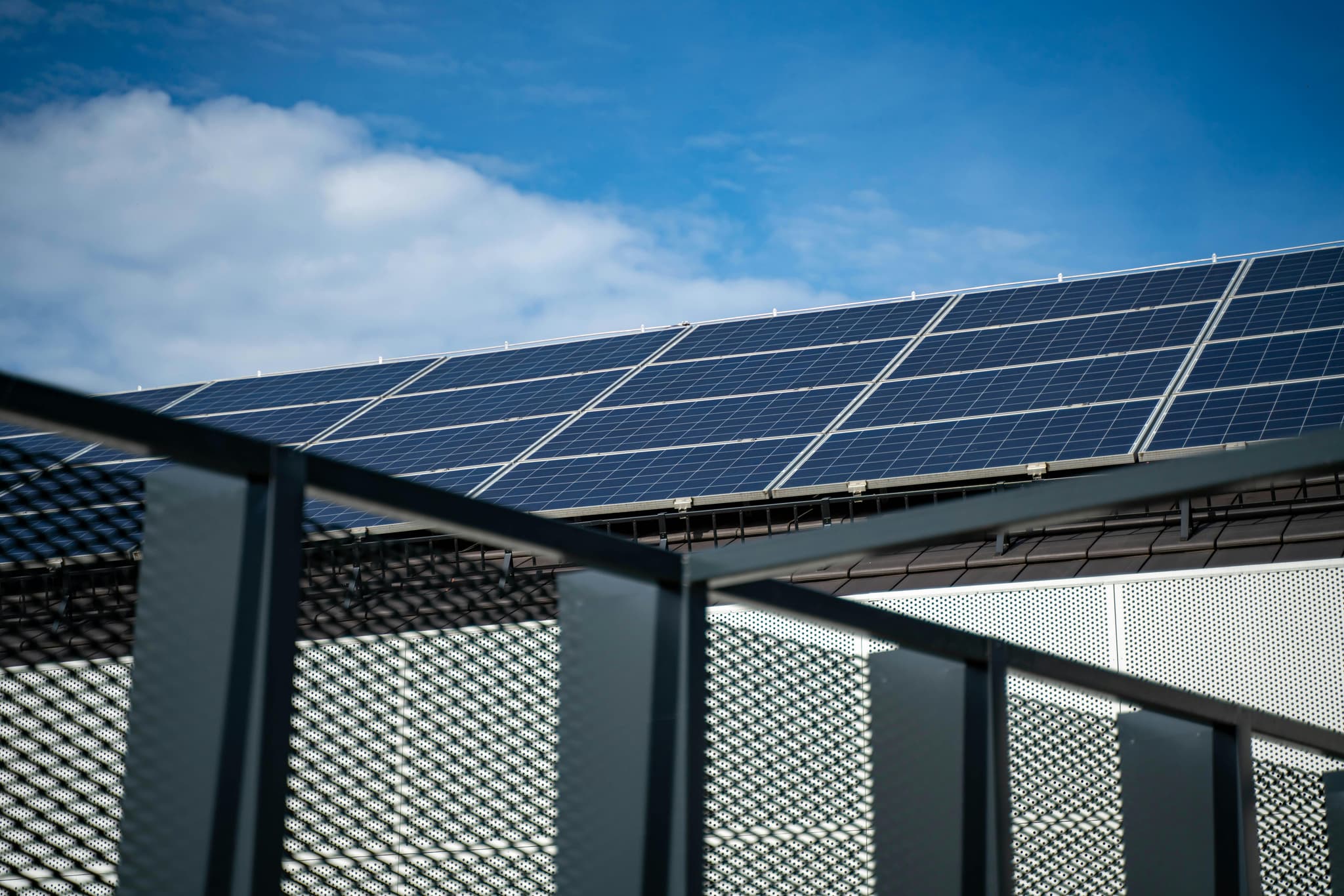
Big roofs, daytime load, tight budgets
Direct cash back
Elective pay turns the credit into an IRS payment for organizations that own the system, even with zero tax liability.
Daytime usage
Offices, schools, and zoos use most power when the sun is up, so solar offsets real load.
Budget relief
Every dollar off the utility bill is a dollar back to the mission.
Resilience
Storage keeps critical operations — refrigeration, servers, life safety — running through outages.
This window is closing
Federal law changed in 2025. Solar projects that began construction after July 4, 2026 must be placed in service by December 31, 2027 to earn the credit. Projects that began on or before July 4, 2026 generally have four calendar years from the start. Battery storage is not subject to the 2027 cutoff. Planning, permitting, and installation take months, so the time to model it is now.
Own it + elective pay
Your organization owns the system and collects the IRS payment. You register the project with the IRS before filing, then claim it on an on-time return (usually Form 990-T) for the year the system is placed in service. The IRS pays no earlier than that return's original due date, generally within about 45 days of it, so plan to fund the full cost first.
How to pay for it
Reserves or a capital campaign, a loan that the IRS payment pays down when it arrives, or Commercial PACE financing where your city or county offers it. In Florida, third-party power purchase agreements (a company selling you the electricity) are not allowed, and a lease to a tax-exempt organization generally means no one can claim the credit. Ownership is the path that keeps it.
This is general information, not tax or legal advice. Elective pay (IRC §6417), the §48E credit, its 2025–2026 deadlines, bonus adders, and the new foreign-sourcing rules are complex and changing — your organization must confirm eligibility, amounts, and process with a qualified tax professional and counsel. Projects of 1 MW AC or more face extra wage, apprenticeship, and domestic-content rules for elective pay; credit plus restricted grants cannot exceed the project's cost; and selling the system within five years can claw back part of the payment. Florida also exempts solar equipment from sales tax and excludes most of a non-residential system's value from property tax; many nonprofits already hold a broader property-tax exemption. Verify per entity.
Institutions across Southwest Florida
See whether direct pay works for your organization
Send us your facility, utility, and monthly spend. We'll model ownership and how to fund it, the credit and Florida tax treatment, and whether the timing works. Then you and your board decide.
We compare the numbers. You decide. If solar isn't right for your property, we'll say so.