Solar Lease vs Buying Solar in 2026
Owning and leasing solar are different products with different math — especially after the 2026 federal tax-credit change. Here's how to compare them honestly.
Last verified:
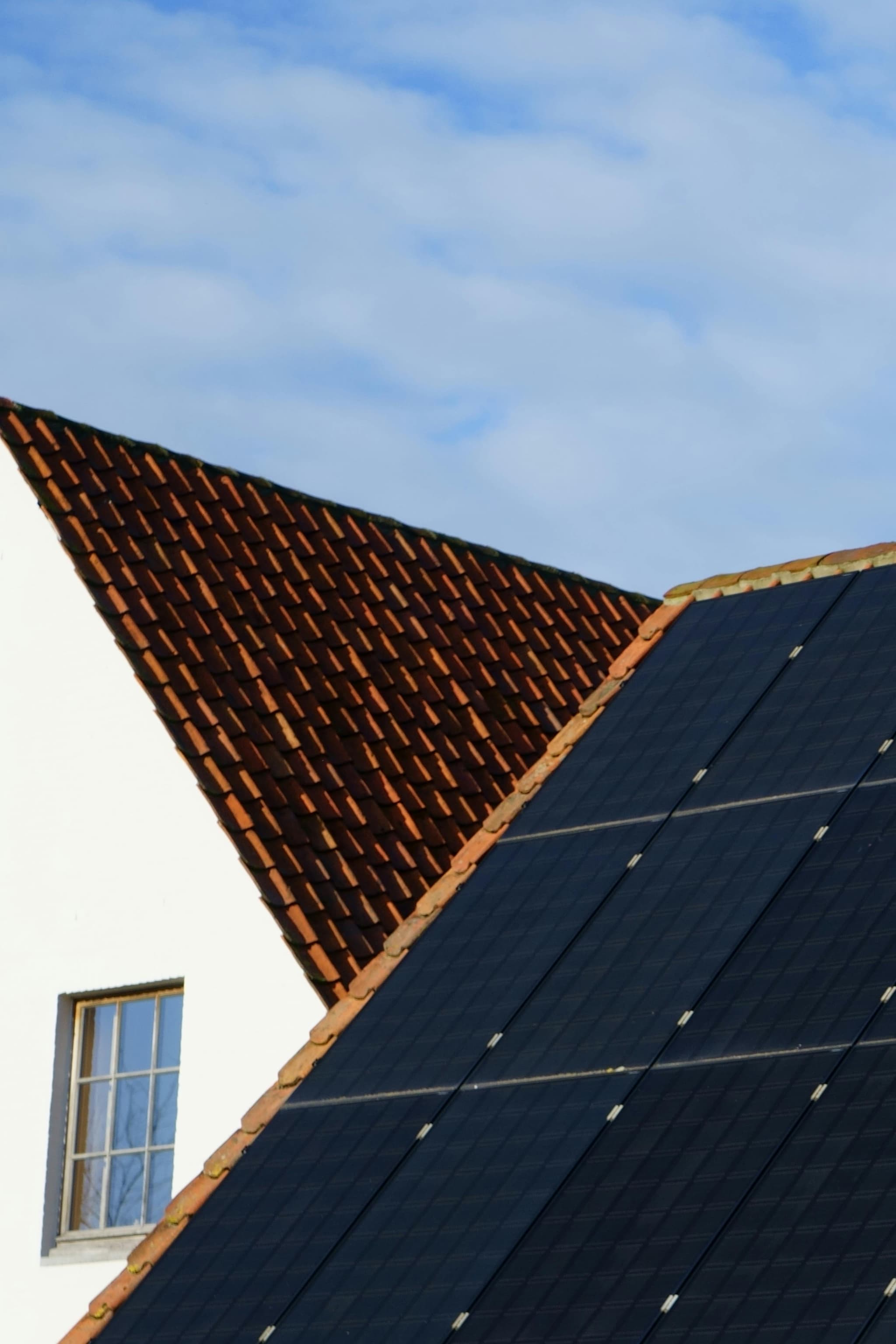
Short answer: Owning (cash or loan) usually has the best long-term economics and you keep the production — but as of 2026 an owned system generally can't claim the federal tax credit. Leases/PPAs need little or no money down and shift maintenance to the provider, but watch for escalators (payments that rise yearly) and 20–25 year terms. The right answer depends on your goals and your numbers.
Ownership: you keep the upside
When you buy, you own the equipment and all the power it produces. Over 20+ years that typically produces the strongest economics. The catch for 2026: the 30% federal residential tax credit ended for systems placed in service after December 31, 2025, so a new cash/loan purchase generally can't claim it.
Lease / PPA: low upfront, more fine print
With a lease or power-purchase agreement, a third party owns the system. You pay monthly — either to lease the equipment or to buy the power it makes. There's usually little to nothing down, and the provider handles maintenance. The federal credit, where it still applies, is claimed by that provider, not you.
Two things to read carefully
- Escalator: many leases raise your payment a set percentage every year (often ~1–3%). Over 25 years that adds up — model it, don't eyeball it.
- Term and transfer: leases commonly run 20–25 years. Understand how the agreement transfers if you sell your home.
Neither product is a scam by itself. The bad outcomes usually come from an aggressive escalator, an oversized system, or a proposal that assumes savings it can't deliver.
Questions worth asking
- Is there an escalator, and what's the exact percentage?
- What's the total term, and how does it transfer if I sell?
- Who claims any tax credit, and is it assumed in my savings?
- How does this compare, in writing, to staying with my utility?
• When this might not make sense
We'd rather lose a sale than put you in the wrong solution. Reasons we might tell you to wait or pass:
- —A lease with a high escalator that erodes savings over the term
- —Any proposal you can't clearly compare against staying with the utility
- —Planning to sell soon without understanding lease transfer terms
Sources
- Instructions for Form 5695 (2025) — IRS (2026)Primary
- Solar lease/leasing guide — PalmettoSecondary
Want to know if this applies to your house?
Leave a way to reach you and we'll compare your options on your actual usage. No pressure.