Lovebugs, Salt Air & Iguanas: A Realistic SWFL Solar Maintenance Guide
Southwest Florida throws salt air, pollen, lovebug season, and the occasional iguana at your rooftop. Here's what actually degrades panels here, what's overblown, and when a quiet drop in production means it's time to call someone.
Last verified:
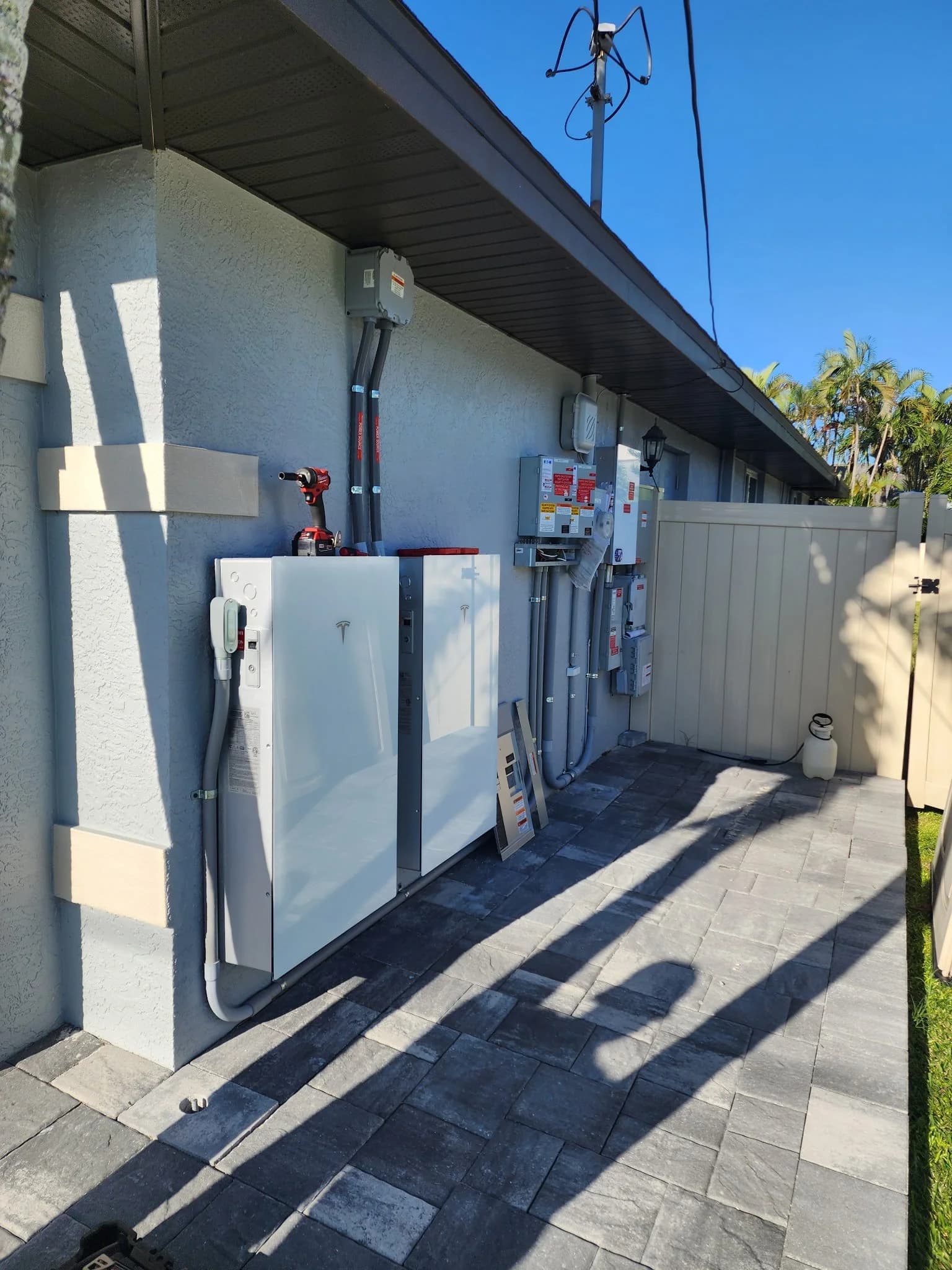
Short answer: Panels are genuinely low-maintenance and tough — but 'low' isn't 'zero,' and SWFL is a demanding address. Salt air, pollen, lovebug season, and dust can put a light film on the glass that shaves production, and heat and time wear on the electronics underneath. The truth is that gunk on the glass is usually the smaller problem; a failing component or a system that quietly went offline costs you far more. If your numbers slip and rain hasn't fixed it, that's the signal to look deeper.
Solar's best sales pitch is that it just sits there and works — no moving parts, no oil changes, decades of quiet production. Mostly true. But 'no maintenance' is one of those tidy claims that reality complicates, and Southwest Florida complicates it more than most. Let's separate what actually matters here from what doesn't.
What really degrades panels in SWFL
The genuine wear factors here are heat, time, and buildup. Our sustained heat is hard on inverters and electronics — the hardest-working parts of the system and the most likely to fail before the panels do. Salt air near the coast can accelerate corrosion on exposed metal over years. And a steady film of pollen, dust, and lovebug residue can cut how much light reaches the cells. None of this is dramatic on any given day; it's the slow drift that adds up.
What's mostly myth
You generally do not need to be up on your roof scrubbing panels every few weeks. In most of SWFL, regular rain does a decent job rinsing the glass, and studies consistently find that routine dust causes only modest production losses that cleaning recovers partially at best. Panels are also rated to handle serious weather. The iguana on your array is a photo opportunity, not a structural threat. The real risks aren't the cosmetic stuff people fixate on — they're the invisible ones.
The dirt you can see is usually the least of it. A hairline film costs you a little. A dead inverter, a failed optimizer, or a system that tripped offline after a storm costs you a lot — and it's silent.
When cleaning is actually worth it
Cleaning earns its keep when buildup is heavy and rain isn't clearing it — think a long dry stretch caked with pollen, construction dust from a neighbor's build, or bird droppings and lovebug splatter concentrated in one area. Low-slope panels that don't shed water well benefit more than steep ones. If you do clean, cool water and a soft approach from the ground is the safe route; climbing a hot Florida roof for marginal gains usually isn't worth the risk.
The maintenance that actually pays: watching the numbers
The single most valuable maintenance habit isn't a hose — it's a glance at your monitoring app. Production naturally varies with season and weather, but a sustained drop that rain and sunshine don't explain is your system telling you something: a failing component, a string offline, a communication fault, or worse. Catch it early and the fix is small. Ignore it and you can pay full utility rates for months without noticing. Our two-minute self-check article walks through exactly what to look for.
If your numbers aren't what they were and a rinse didn't bring them back, don't just chalk it up to 'the weather.' Have someone check the whole system — panels, inverter, wiring, and connections — not just the pretty part on top. Assure Protect does exactly that, on any brand and any installer, even if the original company has long since vanished. Diagnostics are at /assure-protect or (954) 952-0151.
Questions worth asking
- Is my production drop explained by season and weather, or is something actually failing?
- When was my inverter and wiring last inspected, given our heat and salt air?
- Does my system need cleaning, or is rain handling it fine?
- Who can service my system now if the original installer is gone?
• When this might not make sense
We'd rather lose a sale than put you in the wrong solution. Reasons we might tell you to wait or pass:
- —You're planning to power-wash your own panels on a steep, hot roof for a couple percent of production — the risk outweighs the gain
- —You assume declining numbers are 'just dirt' without checking the inverter and monitoring — the expensive problems are the invisible ones
Sources
- Solar panel soiling, cleaning, and performance research — National Renewable Energy LaboratorySecondary
- Homeowner's guide to going solar (maintenance) — U.S. Department of EnergySecondary
Numbers slipping? Let's check the whole system, not just the glass.
Assure Protect inspects panels, inverter, wiring, and connections to find why production dropped — any brand, any installer. Call (954) 952-0151.