Buying Out a Solar Lease Early: What You Gain, What You Lose
Most solar leases let you buy the system out, often starting around year 5. Owning it stops the monthly payment — but the maintenance and warranty coverage bundled into the lease typically ends. Here's how to weigh it.
Last verified:
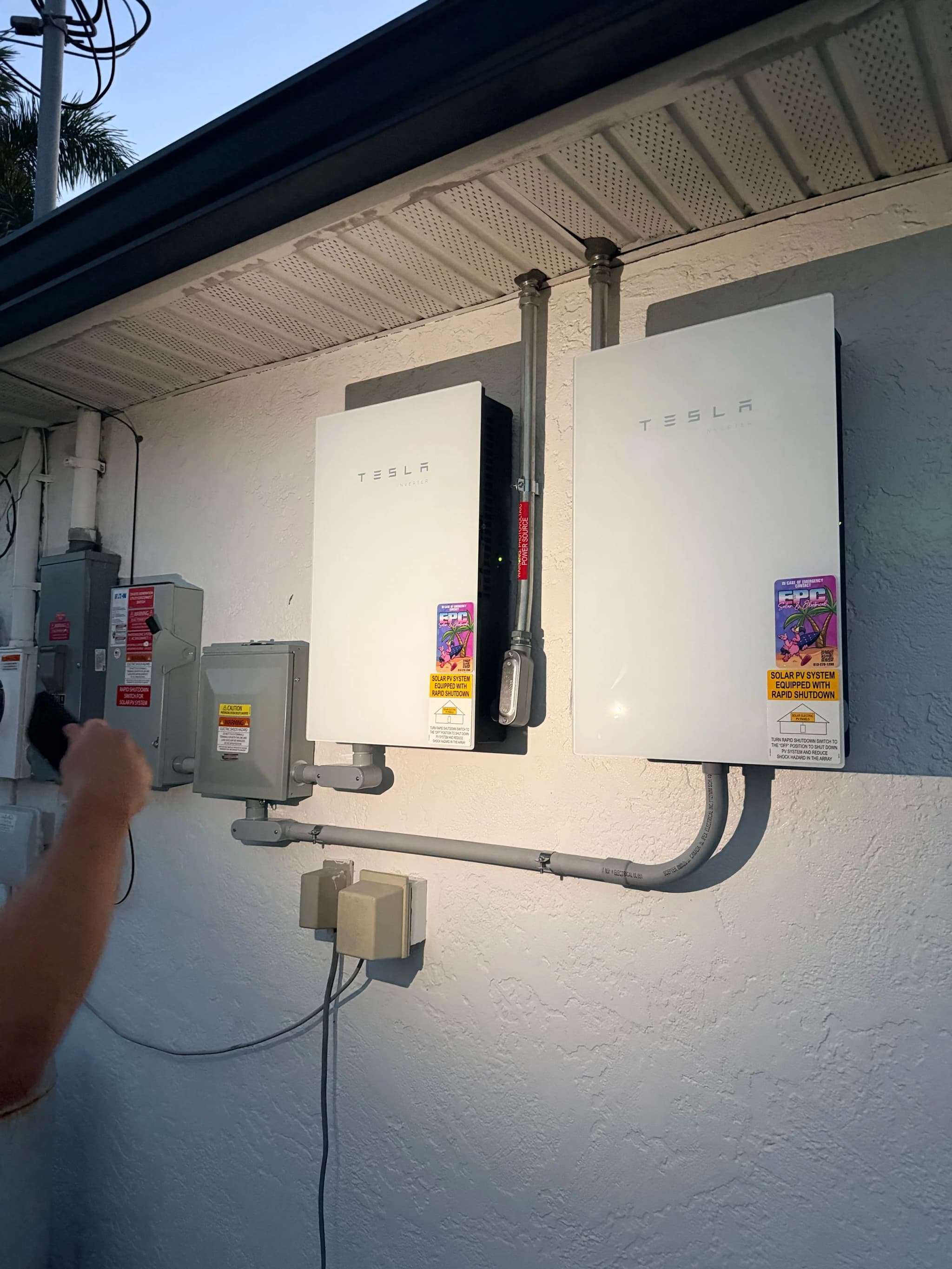
Short answer: Yes — most solar leases and PPAs include a buyout option, commonly available starting around year 5 on a declining price schedule. Buying out turns you from a renter into the owner: the monthly payment stops and the production is yours. The tradeoff is that the maintenance, monitoring, insurance, and any production guarantee bundled into the lease typically end when the lease does — so upkeep, repairs, and eventually the inverter become your responsibility. Whether a buyout pays off depends on the buyout price versus the payments you'd otherwise make, the age and condition of the system, and how much you value hands-off coverage.
The buyout clause most people never read
Almost every lease and power-purchase agreement includes a buyout — a price at which you can purchase the equipment outright and end the contract. It's usually not available immediately; many programs open it up around year 5 or 6, and the price steps down over time as the system ages. The exact schedule is in your contract, and it's the number to get in writing before you decide anything.
What you gain by owning it
Once you buy out, the monthly lease payment stops for good and every kilowatt-hour the system produces is yours. Owned solar also travels more cleanly at resale — it conveys with the home as a fixture instead of a contract a buyer has to qualify for and assume, and in Florida the added value is excluded from your property-tax assessment under Statute 193.624.
What you give up
This is the part sales conversations skip. A lease usually bundles in service: maintenance, remote monitoring, insurance on the equipment, and often a production guarantee that compensates you if the system underperforms. When you buy out, that bundled coverage typically ends. Repairs, monitoring, and — the big one — replacing the inverter when it wears out (often somewhere around the 10-to-15-year mark) become your cost and your problem. Separate manufacturer warranties on the panels and inverter may still exist, but they're narrower than the all-in service a lease provides, and you should confirm exactly what transfers to you and for how long.
A buyout converts a serviced product into an asset you maintain. The monthly cost goes away — but the pager is now yours.
When a buyout tends to make sense
It's most attractive later in the term, when the buyout price has dropped well below the total of the payments you'd otherwise keep making, the system is in good shape with plenty of life left, and you're comfortable handling occasional maintenance or self-insuring the repairs. If the math shows you paying far less to own than to keep renting, and the hardware is sound, owning outright is often the better long-run position.
When to think twice
Be cautious about an early buyout priced close to — or above — the remaining payments, or one on a system whose inverter is aging and likely to need a costly replacement soon after you take it on. And if what you valued most about the lease was never having to think about the system, remember that hands-off coverage is exactly what you'd be giving up.
How to check the math
Ask for the year-by-year buyout schedule and the total of your remaining payments, so you're comparing two real numbers. Then pin down what actually ends at buyout — maintenance, monitoring, insurance, and any production guarantee — and what manufacturer warranty coverage transfers to you. Finally, get the age of the inverter and a rough replacement cost, because that's the expense most likely to land on you first.
Questions worth asking
- What is the buyout price, year by year?
- Exactly which coverages end at buyout — maintenance, monitoring, insurance, production guarantee?
- Do the manufacturer panel and inverter warranties transfer to me, and for how long?
- How old is the inverter, and what does a replacement cost?
• When this might not make sense
We'd rather lose a sale than put you in the wrong solution. Reasons we might tell you to wait or pass:
- —You value fully hands-off coverage and don't want to own maintenance, monitoring, and repairs
- —The buyout price is close to or above the total of your remaining payments
- —The inverter or system is aging and a major repair looks likely soon after buyout
- —You can't get the buyout schedule and post-buyout warranty terms in writing
Sources
- Fla. Stat. 193.624 (renewable energy property-tax exclusion) — Florida Legislature (2023)Primary
- Solar Lease & Leasing Guide: Pros and Cons — PalmettoSecondary
- Buying or selling a home with solar — CFPBSecondary
Thinking about buying out your lease? Run the numbers first.
We'll compare your buyout price against your remaining payments, flag what coverage you'd be giving up, and tell you honestly whether owning it outright comes out ahead.