Why Your Neighbor's Bill Is Lower (and It's Probably Not Just Solar)
Same street, similar house, wildly different electric bills. Before you assume it's all about the panels on their roof, here's what actually drives the gap — usage, home size, pool, AC efficiency, and which utility you're on.
Last verified:
Short answer: Two homes on the same street can have very different bills for reasons that have nothing to do with solar. The big drivers are how much power you actually use, your home's size and insulation, whether you have a pool, how old and efficient your AC is, how you set the thermostat, and even which utility you're on. Solar can absolutely lower a bill — but comparing your bill to a neighbor's without accounting for all of that is comparing two different puzzles.
It's a natural thing to notice. Your neighbor's house looks a lot like yours, you're on the same street, and yet they mention a power bill that makes yours look like a mistake. The easy assumption is that it's the solar panels on their roof doing all the work. Sometimes solar is part of it — but usually it's only one piece, and often not the biggest. Bills are personal, and the gap is almost always a stack of small differences.
The real drivers of the gap
- How much you actually use: this is the master variable. Two households in identical homes can differ enormously based on how many people live there, when they're home, and their daily habits.
- Home size and envelope: square footage, ceiling height, insulation, windows, and shade all change how much energy it takes to keep the place comfortable.
- The pool question: a pool pump running long hours is a quiet, major load. A neighbor without a pool starts the month with a big head start.
- AC age and efficiency: an older or oversized air conditioner in our climate can cost dramatically more than a newer efficient one doing the same job. Cooling is usually the single biggest load in a SWFL home.
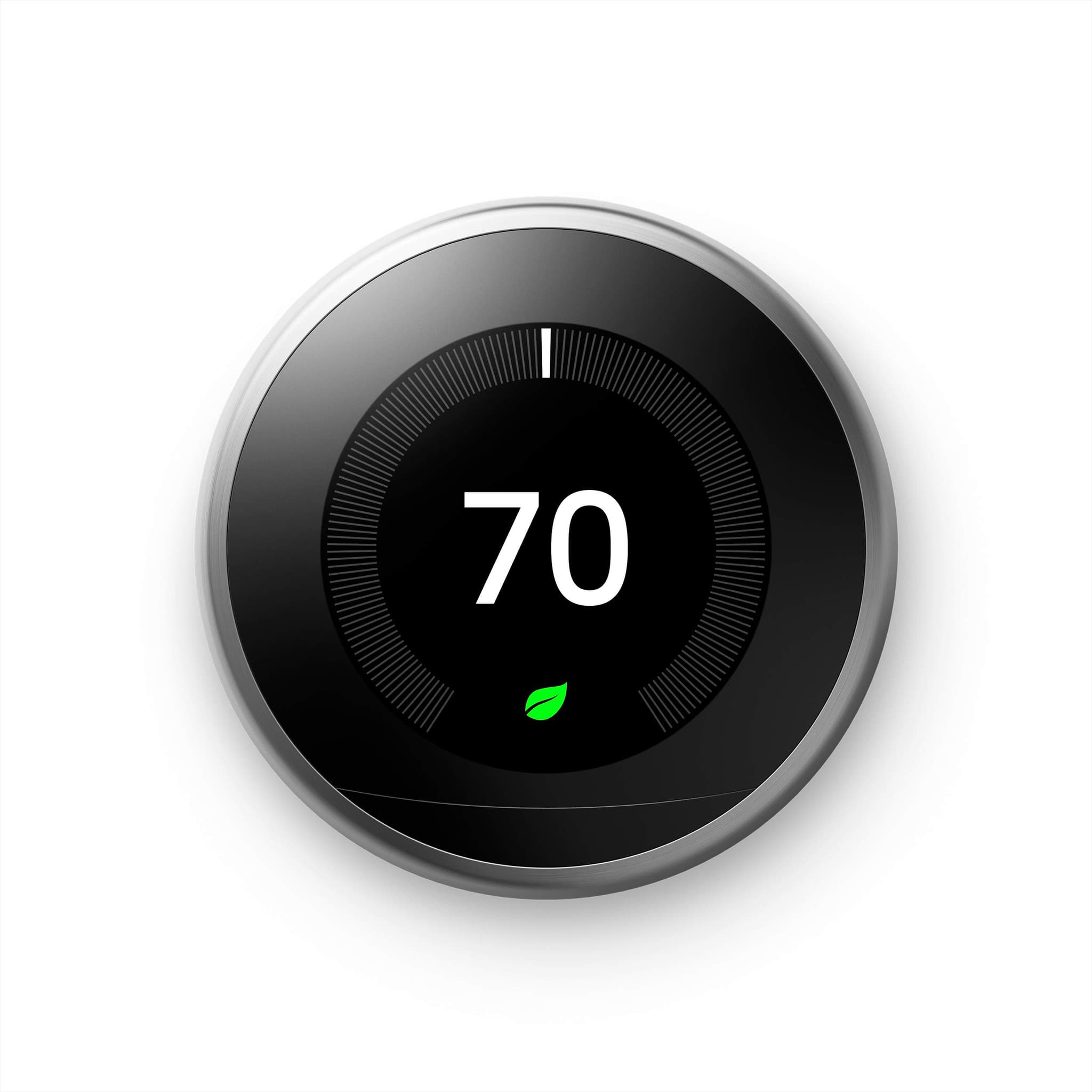
- Thermostat habits: a house held at 74° around the clock uses far more than one nudged up while everyone's out. Small setpoint differences compound over a hot season.
- Which utility: FPL and a co-op like LCEC have different rates and structures, so the same kilowatt-hours can even cost different amounts.
Before you credit (or blame) the panels, account for usage, pool, AC, and thermostat. Solar changes the bill — but so do a dozen things that have nothing to do with a rooftop.
Where solar actually fits in the comparison
Solar lowers a bill by offsetting the power you'd otherwise buy from the utility — so its impact depends entirely on the usage underneath it. A neighbor with solar and a small, efficient household will show a very low bill. A neighbor with solar, a pool, and three teenagers might show a bill similar to yours, because their panels are offsetting a much larger load. That's why 'they have solar and I don't' explains less than it seems: the more useful comparison is what each home uses before solar even enters the picture.
It also matters how their system is sized and whether it's even working. An underproducing or offline system — surprisingly common here — can leave a 'solar home' paying near-full price without the owner realizing it. So a neighbor's low bill might be great solar, or it might just be a smaller household with a newer AC and no pool.
How to actually compare — and lower your own bill
The honest way to shrink the gap is to look at your own home, not theirs. Pull a recent bill and note your usage trend. Ask whether your AC is aging or oversized, whether your pool pump is single-speed, and where your thermostat sits during the day. Often the fastest savings come from efficiency, not panels — and if solar does make sense, it should be sized to your real usage, not to match a neighbor's roof. Text us a photo of your bill and we'll break down what's actually driving it and what you can control.
Questions worth asking
- How does my usage compare to my home's size and household — am I high, average, or low?
- Is my AC aging or oversized for the space it cools?
- Is my pool pump single-speed, and how long does it run?
- Would efficiency upgrades close more of the gap than solar for my home?
• When this might not make sense
We'd rather lose a sale than put you in the wrong solution. Reasons we might tell you to wait or pass:
- —You're ready to buy solar mainly to 'match' a neighbor, without knowing your own usage drivers
- —Your bill gap is really an efficiency problem (old AC, single-speed pump) that solar would only paper over
Sources
- Home energy use and efficiency guidance — U.S. Department of EnergySecondary
- FPL Rates and Your Bill — FPL (2026)Primary
- LCEC Rates — LCEC (2026)Primary
Find out what's really driving your bill.
Text a photo of a recent bill and we'll break down what's driving the number — usage, AC, pool, utility — and what you can actually control, solar or not.