What 'Maintenance Included' Should Actually Cover
'Maintenance included' is one of the most reassuring — and vaguest — phrases in a solar lease. Here's how to read it: what real coverage looks like, what's often quietly excluded, and the questions that turn marketing into a promise you can hold.
Last verified:
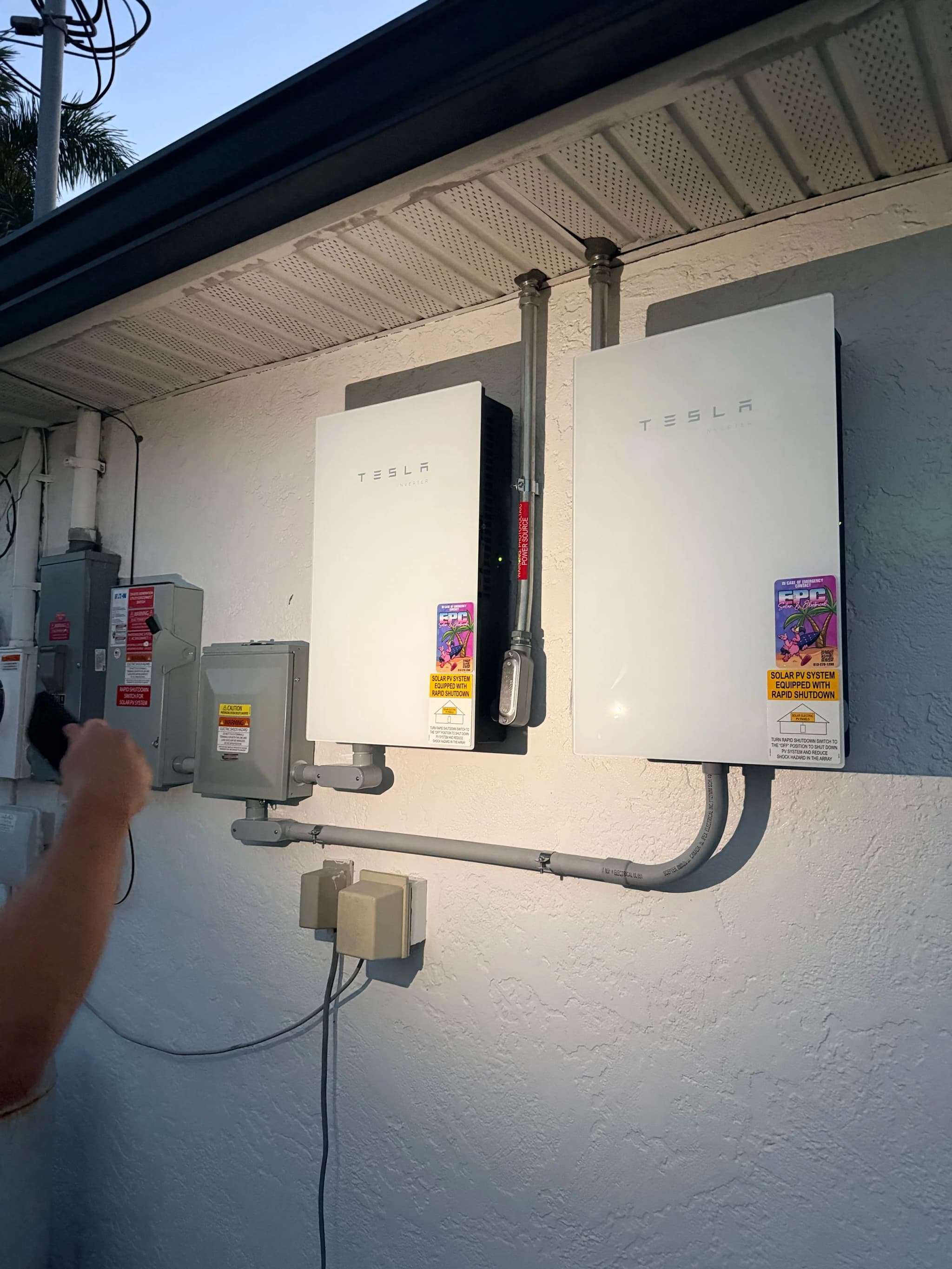
Short answer: 'Maintenance included' should mean the provider monitors your system, fixes covered failures (including the inverter — the part most likely to fail), covers parts and labor, and responds within a defined timeframe — ideally backed by a production guarantee with an actual remedy if the system underproduces. What it often quietly excludes is roof-related work, panel cleaning, damage from storms or animals, and anything after the company changes hands. Get the specifics in writing; the phrase alone is marketing.
'Maintenance included' sounds like the end of worry — sign here and someone else keeps the whole thing running for 25 years. Sometimes that's genuinely what you get. But the phrase is doing a lot of comfortable, undefined work in a sales pitch, and the gap between 'maintenance included' as a feeling and as a set of contract terms is where people get surprised years later. Let's turn the phrase into something you can actually hold.
What real coverage should include
- Monitoring: the provider actively watches your production and notices when the system faults or drops — you shouldn't be the alarm system for your own solar.
- Inverter coverage: the inverter is the component most likely to fail within the system's life. Real maintenance covers its repair or replacement, not just the panels.
- Parts and labor: a warranty that covers a part but bills you for the labor to install it isn't full coverage. Confirm both are included.
- A response commitment: a defined timeframe to diagnose and fix a fault, so a dead system doesn't sit costing you money for months.
- A production guarantee, ideally: the strongest arrangements promise a minimum production and compensate you if the system underdelivers — a remedy, not just a reassurance.
A production guarantee with an actual remedy is the difference between 'we'll take care of it' and a promise you can enforce. If the system underproduces, what exactly happens? If the answer is 'nothing specified,' the coverage is thinner than it sounds.
What's often quietly excluded
Read for the gaps, because they're rarely advertised. Roof work is a big one: if a leak develops around the mounts or the roof needs replacing under the array, is removing and reinstalling the panels covered, or is that on you? Panel cleaning is frequently excluded or limited. Storm, flood, and animal damage may be pushed onto your homeowner's insurance rather than the maintenance agreement. And consumables or upgrades — like a monitoring gateway or a failed component out of its own separate warranty window — can fall outside the promise. None of these being excluded is automatically a dealbreaker; not knowing they're excluded is.
The elephant in the contract: what if the company disappears?
A 25-year maintenance promise is only as durable as the company making it. Southwest Florida is full of systems whose original installer folded, leaving 'included maintenance' that no longer has anyone behind it. Ask who honors the coverage if the provider is acquired, goes out of business, or simply stops answering — and whether the obligation is backed by the equipment manufacturers' own warranties, which survive the installer. This is the question that separates a promise from a wish.
Maintenance vs. warranty — they're not the same
Don't let the terms blur. Manufacturer warranties cover the panels and inverter for defects for defined periods and belong to the hardware regardless of who services it. A workmanship warranty covers the installer's labor and mounting. 'Maintenance included' in a lease is the provider's ongoing service promise layered on top. A good arrangement makes all three explicit — length, coverage, and who pays for what — rather than folding them into one warm phrase.
If you already own a system and your 'included maintenance' has gone quiet — or the company behind it vanished — you're not stuck. Assure Protect services and repairs existing systems on any brand, whoever installed them. And if you're weighing a lease now, send us the service terms and we'll tell you what's real coverage versus marketing. Advisory line: (239) 450-2639.
Questions worth asking
- Does maintenance cover the inverter, and both parts and labor?
- Is there a production guarantee, and what's the remedy if the system underdelivers?
- What's excluded — roof work, cleaning, storm or animal damage?
- Who honors this coverage if your company is acquired or goes out of business?
• When this might not make sense
We'd rather lose a sale than put you in the wrong solution. Reasons we might tell you to wait or pass:
- —A lease that advertises 'maintenance included' but won't specify inverter coverage, labor, and response times in writing
- —Coverage with no production guarantee or remedy if the system underproduces
- —No clear answer for who honors the maintenance if the company is sold or closes
- —Exclusions for roof work, storm, or animal damage that you didn't realize were exclusions
Sources
- Homeowner's guide to going solar (warranties and maintenance) — U.S. Department of EnergySecondary
- Understanding solar lease and PPA terms — CFPBSecondary
- Solar power purchase agreements: what to watch for — FTCSecondary
Send us the service terms — we'll tell you what's real.
We'll read a lease's 'maintenance included' promises and flag real coverage versus marketing. Already own a system whose maintenance went quiet? Assure Protect can help.